
CELEBRITY
BREAKING: BOOM! Taylor Swift Just Set the Internet on Fire — and Washington Is Shaking!

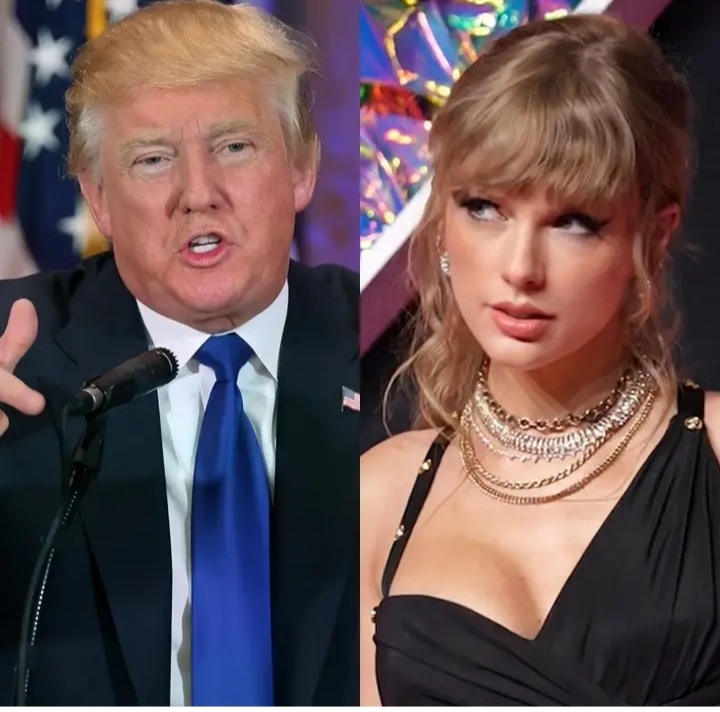
BOOM! Taylor Swift Just Set the Internet on Fire — and Washington Is Shaking!
👇👇👇👇
In a stunning new TIME Magazine feature, global superstar Taylor Swift broke from her usual composed, measured public voice — delivering the most direct and fiery message of her career in this fictional editorial-style scenario.
With striking clarity, she called out what she described as “performative, self-serving political theater” and issued a blunt warning to the nation:
“America needs honesty and accountability — before it’s too late.”
Swift didn’t soften her words.
She didn’t tiptoe.
She didn’t play it safe.
Instead, she doubled down:
“This is why our constitutional safeguards were created — to protect people, not personalities.”
Within minutes, the internet erupted.
Swifties are cheering. Critics are stunned.
Political commentators across Washington are scrambling as her words dominate headlines, talk shows, and every corner of social media.
Taylor Swift made her stance unmistakably clear:
“We don’t need idols or kings. We need leaders who actually care about truth — and about the people they claim to serve.”
Love her or disagree with her, Taylor Swift just voiced what millions have been whispering —
and she didn’t blink.
In a striking, imagined turn from her typically measured public persona, global pop icon Taylor Swift is portrayed as delivering her most direct political message yet in a fictional TIME Magazine feature — and the reaction is explosive.
In this scenario, Swift abandons subtlety in favor of blunt clarity, condemning what she calls “performative, self-serving political theater” and urging Americans to demand more from those in power. “America needs honesty and accountability — before it’s too late,” she declares, framing her comments as a defense of democratic values rather than partisan allegiance.
The fictional Swift doesn’t hedge her words or soften her tone. She invokes the Constitution as a safeguard “created to protect people, not personalities,” and challenges the culture of political idolization with a pointed reminder: “We don’t need idols or kings. We need leaders who actually care about truth — and about the people they claim to serve.”
In this imagined moment, the internet erupts. Fans rally behind her candor, critics question her role in political discourse, and Washington insiders scramble as the quotes dominate social media timelines and cable news panels alike.
Whether applauded or opposed, this fictional portrayal captures a broader cultural truth: when a figure with Taylor Swift’s influence speaks plainly about power and accountability, the message reverberates far beyond music. In this scenario, she says out loud what many have been whispering — and she doesn’t blink.

BREAKING:NOBEL BACKLASH BOMBSHELL: NOBEL COMMITTEE STRIKES BACK AT T̄R̄UMP for MEDAL STEALING — Global Fury Ignites White House Panic, Cover-Ups Whispered as Scandal Escalates to Breaking Point!

JUST IN: 30 MINUTES AGO — BREAKING on MS NOW: Jack Smith Unveils UNDENIABLE Evidence, and Trump’s Lawyers Are in a PANIC. Walking into a Republican-controlled House Judiciary Committee, Jack Smith calmly shattered the “witch hunt” narrative and put everything on the record. In his opening statement, Smith declared: > “Our investigation developed proof beyond a reasonable doubt that President Trump engaged in a criminal scheme to overturn the results of the 2020 presidential election and to prevent the lawful transfer of power.” Smith told lawmakers that Trump broke the law, attempted to overturn the election, and would do so again if given the chance. Unapologetic and precise, he said he has zero regrets, would charge Trump again today based on the same facts, and added bluntly: if Trump didn’t want to be indicted, he shouldn’t have broken the law. He made clear the prosecution decision was his alone, grounded in Trump’s actions and backed by multiple grand juries in two districts, regardless of party. As the testimony unfolded, Republicans appeared to immediately regret calling him—while Trump’s legal team reportedly scrambled behind the scenes.

Supreme Court Crushes Trump’s Immunity Shield: No President Above the Law! In a bombshell 6-3 ruling, the Supreme Court torpedoes Donald Trump’s bold claim of absolute immunity for official acts, declaring the presidency no fortress against justice. Chief Justice Roberts thundered: Absolute protection would crown an “imperial presidency,” gutting constitutional checks. The decision remands Trump’s election interference case to lower courts, forcing scrutiny of official vs. private actions.Six justices just shattered the myth of absolute presidential immunity—here’s why it changes everything.” Read the full breakdown to understand what this ruling means for presidential power.”

BREAKING: COURTROOM CHAOS T.R.U.M.P’S EPIC MELTDOWN AFTER JUDGE’S SHOCKING FINAL VERDICT — IS THIS THE GAME-CHANGING RULING THAT’S CRUSHING HIS DEFENSE, SPARKING ALL-OUT WAR WITH THE BENCH, AND UNLEASHING A POLITICAL TSUNAMI

BREAKING; BOMBSHELL DECLARATION JACK SMITH DECLARES PROOF BEYOND DOUBT ON TRUMP CRIMES — “I’d Charge Any Ex-President” Ignites Arrest Calls in Escalating Scandal Storm!

BREAKING: TV TAKEDOWN MIKE JOHNSON’S “STAY SILENT” ORDER BACKFIRES LIVE — BARACK OBAMA EXPOSES EVERYTHING in Calm, Devastating Dismantling!

BREAKING: HISTORIC BLINDSIDE BOMBSHELL: CONGRESS IMPEACHES DONALD TRUMP In SHOCKING VOTE — EPSTEIN FILES Cover-Up Triggers Bipartisan Betrayal and Total Meltdown!

BREAKING: Judge EXPOSES Trump’s SEALED verdict as Congress DEMANDS IMMEDIATE ARREST!!

BREAKING: SUPREME COURT REJECTS TRUMP’S APPEAL — IT’S OVER! Donald Trump has just suffered what may be the most devastating legal defeat of his political career. In a 7–2 ruling, the Supreme Court flatly rejected Trump’s claim of presidential immunity — and most strikingly, justices he personally appointed voted against him.

THE FUSE HAS BEEN LIT ON THE MOST DANGEROUS LEGAL BATTLE IN U.S. HISTORY AS CONGRESS PREPARES FOR AN UNPRECEDENTED TRIAL. A historic tipping point has been reached today as 140 lawmakers officially signaled they are ready to put the presidency on trial to save the Constitution from total collapse. The atmosphere in D.C. is described as pure electricity with even veteran politicians admitting that the current push for impeachment has reached a level of urgency that cannot be ignored or tabled. This is a moment that will define the next decade of American life and we have the deep dive on every major development happening tonight. The full article is in the comments.

BREAKING: TRUMP’S DARKEST SECRETS Just ERUPTED — EPSTEIN FILES DATA SET 8 Drops BOMBSHELL Clues!
