
CELEBRITY
UPDATE:“Republicans Can’t Fund ICE Alone—Democrats Hold the Line” The Department of Homeland Security bill — the bill that funds ICE— must pass by January 30 with sixty votes in the Senate. Republicans do not have sixty votes. They cannot fund ICE without Democratic senators.

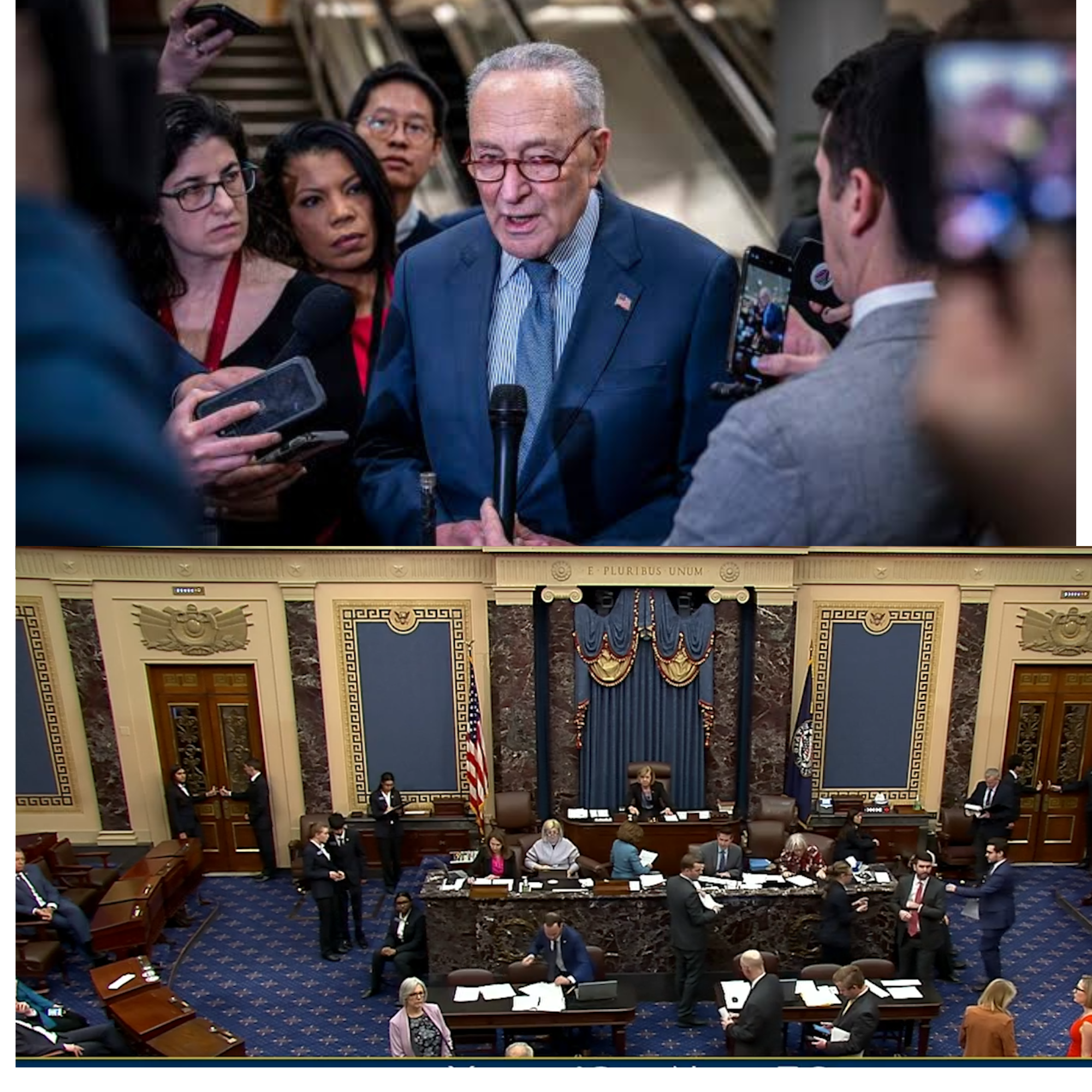
UPDATE:“Republicans Can’t Fund ICE Alone—Democrats Hold the Line” The Department of Homeland Security bill — the bill that funds ICE— must pass by January 30 with sixty votes in the Senate.
Republicans do not have sixty votes.
They cannot fund ICE without Democratic senators.
With a January 30 deadline looming, the Department of Homeland Security (DHS) funding bill has become the latest flashpoint in Washington’s budget standoff. The legislation, which includes funding for Immigration and Customs Enforcement (ICE), must clear the Senate with sixty votes to move forward—an increasingly difficult threshold in a closely divided chamber.
Republicans do not control enough seats to meet that requirement on their own. As a result, they must secure support from Democratic senators to pass the bill. Democrats, aware of their leverage, have signaled they will not provide votes without concessions, particularly on immigration policy and oversight of enforcement practices.
The impasse highlights a familiar reality of divided government: major funding bills often hinge on bipartisan compromise. While Republicans argue that ICE funding is essential for border security and law enforcement, Democrats contend that any agreement must address broader concerns about accountability and humanitarian standards.
As the deadline approaches, both parties face pressure to avoid a funding lapse. Whether that pressure leads to negotiation or deepens the stalemate will determine not only the fate of ICE funding, but also Congress’s ability to govern amid persistent partisan divides.

T.r.u.m.p Stunned as Canadian Tourism “Turns Its Back” on the U.S. — Border Towns Plunge by Billions of Dollars Canada has abruptly slashed travel to the United States, wiping out billions of dollars in revenue in a very short time. Border towns are falling into crisis: empty hotels, restaurants closing, and workers losing their jobs. Trump is described as furious, demanding to know why Canadians are staying away. Ottawa responded coolly: “Canadians travel where they feel welcomed and respected.” The REAL weekly losses are even more shocking — see the details

BOMBSHELL UNCOVERED: TRUMP WORLD ROCKED AS DEMS’ INVESTIGATOR ALLEGEDLY FLAGS EPSTEIN-ERA PAYMENTS — Power Circles Jolt Washington

BREAKING: NOBEL BACKLASH BOMBSHELL: NOBEL COMMITTEE STRIKES BACK AT T̄R̄UMP for MEDAL STEALING — Global Fury Ignites White House Panic, Cover-Ups Whispered as Scandal Escalates to Breaking Point!

JUST IN; 40 MINS AGO Virginia Governor Abigail Spanberger just issued an executive order shutting down state police cooperation with Trump’s ICE immediately after taking office

BREAKING: Melania Trump wants Hunter Biden to retract comments about how she met Donald Trump after he repeated claims from reports. Biden stood by what he said. Donald Trump backed Melania, saying the story isn’t true and encouraged her to take legal action. Curious to learn more about the unfolding situation and what’s at stake for Melania and Hunter Biden? Dive deeper into the details here

BREAKING: NATO EXPULSION SHOCKER: T̄R̄UMP KICKED OUT OF NATO by WORLD LEADERS Over GREENLAND THREATS?! — Alliance Implodes as Global Fury Ignites, White House Reels in Escalating Isolation Crisis!

BREAKING: President Donald Trump said the United States will impose 10% tariffs on goods from Denmark, Germany, the United Kingdom, France and other European countries starting Feb. 1, with the rate rising to 25% on June 1, unless a deal is reached for the U.S. to purchase Greenland.

JUST IN: Senate Votes on Trump’s Removal as Washington Enters Emergency Session – Buffett Responds The Capitol is in chaos as lawmakers convene in a historic emergency session to vote on removing President Trump from office, sparking a constitutional crisis that has the nation on edge.

BREAKING:SENATE ULTIMATUM BOMBSHELL: T̄R̄UMP SCREAMS as SENATE DEMANDS STEP DOWN NOW — White House Chaos Ignites as Betrayals Explode and Impeachment Whispers Escalate to Breaking Point!

BREAKING:NOBEL BACKLASH BOMBSHELL: NOBEL COMMITTEE STRIKES BACK AT T̄R̄UMP for MEDAL STEALING — Global Fury Ignites White House Panic, Cover-Ups Whispered as Scandal Escalates to Breaking Point!

JUST IN: 30 MINUTES AGO — BREAKING on MS NOW: Jack Smith Unveils UNDENIABLE Evidence, and Trump’s Lawyers Are in a PANIC. Walking into a Republican-controlled House Judiciary Committee, Jack Smith calmly shattered the “witch hunt” narrative and put everything on the record. In his opening statement, Smith declared: > “Our investigation developed proof beyond a reasonable doubt that President Trump engaged in a criminal scheme to overturn the results of the 2020 presidential election and to prevent the lawful transfer of power.” Smith told lawmakers that Trump broke the law, attempted to overturn the election, and would do so again if given the chance. Unapologetic and precise, he said he has zero regrets, would charge Trump again today based on the same facts, and added bluntly: if Trump didn’t want to be indicted, he shouldn’t have broken the law. He made clear the prosecution decision was his alone, grounded in Trump’s actions and backed by multiple grand juries in two districts, regardless of party. As the testimony unfolded, Republicans appeared to immediately regret calling him—while Trump’s legal team reportedly scrambled behind the scenes.
