
CELEBRITY
JUST IN: Donald Trump Warns NATO That Continued Opposition to U.S. Greenland Ambitions Could Force America to Withdraw Troops, Cut All Funding, and Potentially Leave the Alliance Entirely, Sending Shockwaves Through Transatlantic Relations

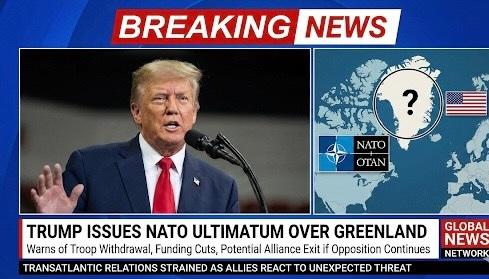
JUST IN: Donald Trump Warns NATO That Continued Opposition to U.S. Greenland Ambitions Could Force America to Withdraw Troops, Cut All Funding, and Potentially Leave the Alliance Entirely, Sending Shockwaves Through Transatlantic Relations
JUST IN: Trump Issues Stark Warning to NATO Over Greenland Dispute
Former U.S. President Donald Trump has sent shockwaves through transatlantic relations after warning NATO allies that continued opposition to U.S. ambitions regarding Greenland could trigger a dramatic reassessment of America’s role in the alliance. According to sources familiar with the remarks, Trump suggested that if allies persist in blocking U.S. strategic interests tied to the Arctic territory, Washington could withdraw troops stationed in Europe, cut financial contributions, and potentially exit NATO altogether.
The comments revive one of Trump’s most controversial foreign policy themes from his presidency: skepticism toward multilateral alliances and a belief that the United States bears an unfair share of NATO’s military and financial burden. Greenland, an autonomous territory of Denmark, has long been viewed by U.S. defense planners as strategically vital due to its location and growing importance amid Arctic competition with Russia and China.
European officials reacted with alarm, warning that any U.S. pullback would severely weaken collective defense at a time of heightened global instability. NATO representatives emphasized that the alliance is built on consensus and mutual respect for sovereignty, stressing that Greenland’s status is not subject to unilateral pressure.
Analysts say the remarks, even if rhetorical, risk undermining trust between Washington and its allies and could embolden geopolitical rivals. Whether the warning signals a concrete policy direction or a negotiating tactic, it has reignited debate over the future of NATO and the durability of the transatlantic partnership.

BREAKING: New Gallup poll shows a +12 point shift towards Democrats, with independents leaning Democratic for the first time since 2021!

BREAKING: Republican Senator Lisa Murkowski SHREDS Donald Trump’s sham investigation into Federal Reserve Chair Jerome Powell, calling it “nothing more than an attempt at coercion.” Even his own party is balking at this unprecedented power grab…

BREAKING: Voters strongly reject Trump’s stance on the Federal Reserve. Sixty-eight percent want the Fed independent of him. Jerome Powell outperforms Trump by 20 points in net approval, while Trump’s economic approval remains deeply negative at 19 points underwater.

BREAKING: There are now Republican Senators openly calling for an investigation into Trump’s DOJ. Even conservative Republicans in the Senate are upset about the Jerome Powell investigation. It really does seem like the tide is turning.

BREAKING: A law firm in Minnesota vows its lawyers will make Minneapolis the richest city in America suing “every single ICE agent who violates a Constitutional right, assaults a citizen, makes an unwarranted arrest, uses excessive force, or refuses to self-identify.”

JUST IN: Donald Trump says he regrets not ordering the National Guard to seize voting machines after losing the 2020 election.

JUST IN: Donald Trump Warns NATO That Continued Opposition to U.S. Greenland Ambitions Could Force America to Withdraw Troops, Cut All Funding, and Potentially Leave the Alliance Entirely, Sending Shockwaves Through Transatlantic Relations

JUST IN: Republican Senator Thom Tillis announced that he will be blocking all future Federal Reserve nominations put forth by Donald Trump because of the investigation into Jerome Powell.

BREAKING: Powell basically said the quiet part out loud: the Trump admin’s push to control the Fed is built on false pretenses. The Fed is meant to be independent so politicians can’t game the economy. Losing that independence would be bad news.

JUST IN: Democrat Mary Peltola, the 1st Alaska Native in Congress, has announced her campaign for the U.S. Senate. Democrats just struck a diamond mine with her….

JUST IN: President Trump just tried to publicly intimidate the Chair of the Federal Reserve and in doing so, he accidentally reminded America why the Fed exists, inadvertently turning its chair into a quiet institutional hero.
