
CELEBRITY
BREAKING: The Supreme Court is now hearing arguments in two major cases challenging state bans on transgender girls in school sports—one from West Virginia, one from Idaho. What’s being tested is bigger than a scoreboard: whether states can legislate exclusion as “policy” and call it normal.

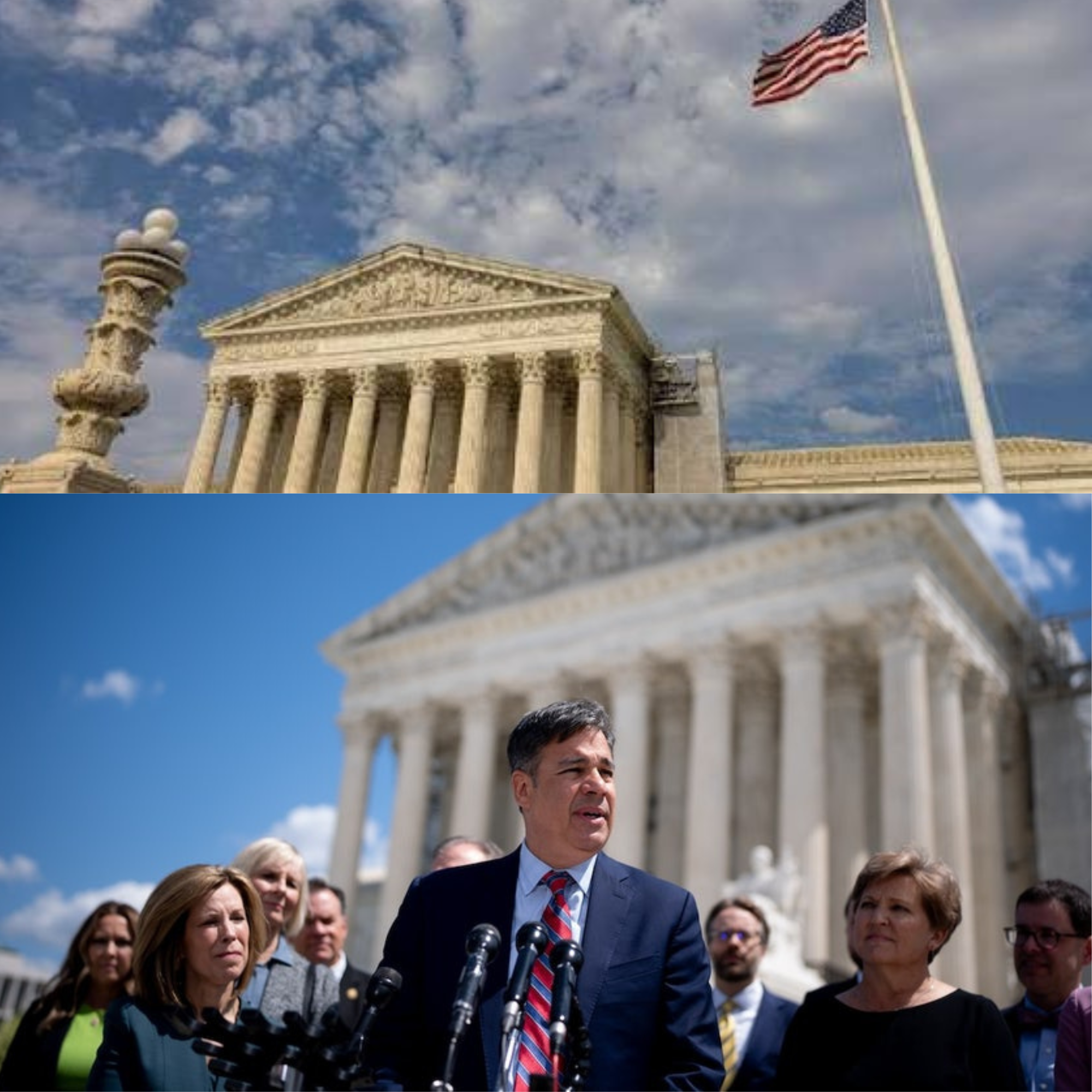
BREAKING: The Supreme Court is now hearing arguments in two major cases challenging state bans on transgender girls in school sports—one from West Virginia, one from Idaho. What’s being tested is bigger than a scoreboard: whether states can legislate exclusion as “policy” and call it normal.
*Supreme Court Hears Challenge to State Bans on Transgender Girls in School Sports
The U.S. Supreme Court on Monday heard arguments in two closely watched cases challenging state laws that bar transgender girls from participating in girls’ school sports. The cases, arising from West Virginia and Idaho, put national attention on policies that supporters describe as protecting fairness in competition and critics argue amount to government-sanctioned exclusion. While the disputes stem from youth athletics, the legal questions reach far beyond gymnasiums and scoreboards.
At the heart of the cases is whether states can categorically exclude transgender students from school sports consistent with the Constitution and federal civil rights law. Lawyers challenging the bans argue that they single out a small group of students for unequal treatment, often without individualized assessments, and stigmatize transgender youth in the process. State attorneys counter that legislatures have broad authority to regulate school athletics and that the laws are designed to preserve competitive balance and opportunities for cisgender girls.
The Court’s eventual ruling could have sweeping implications. A decision upholding the bans may embolden other states to enact similar restrictions, not only in sports but in other areas of public life. A ruling against them could limit how far states can go in using policy language to justify exclusion. Either way, the cases underscore a central question now facing the Court: when does regulation cross the line from governance into discrimination, and who gets to decide what is considered “normal” under the law.

JUST IN: The House Oversight Committee is now moving to hold BILL CLINTON in CONTEMPT of Congress after he refused to testify in the Epstein investigation “We WILL move to hold Clinton in contempt!” GOOD! NOBODY is above the law.

UPDATE: Trump Warns ‘THE DAY OF RECKONING & RETRIBUTION IS COMING’ in Minnesota as Anti-ICE Protests Ramp Up. In other words the Trump crimes against humanity–like mass arrests and killings– are about to begin.

BREAKING: The Supreme Court is now hearing arguments in two major cases challenging state bans on transgender girls in school sports—one from West Virginia, one from Idaho. What’s being tested is bigger than a scoreboard: whether states can legislate exclusion as “policy” and call it normal.

JUST IN — ILLINOIS SUES THE FEDERAL GOVERNMENT

BREAKING: The Trump administration has just REVOKED temporary protected status for THOUSANDS of Somalis living in the United States, including Minnesota They MUST leave the US by March 17, or face deportation 🔥

Breaking: The traditional rules of Texas politics were just set on fire as Jasmine Crockett stood before a roaring crowd to deliver a message that most politicians wouldn’t dare whisper. Ditching the usual diplomatic script, the viral congresswoman officially launched her 2026 Texas Senate bid by staring directly into the camera and issuing a bone-chilling vow to Donald Trump:

BREAKING:Trump Denies Epstein Link as DOJ Review Continues — What the Documents Really Show Will Shock You

JUST IN: A Last-Minute Ruling Stops $12M Pediatric Funding Cut — Rural Communities Breathe, But the Fight Isn’t Over.— Millions for Children Saved, For Now” See why this ruling matters and what could come next.

BREAKING: COURT SHUTDOWN: Trump Suffers Major Legal Defeat After Appeal Is Thrown Out.The ruling sparked fierce reactions and signals escalating trouble ahead.👉 This single decision may trigger a cascade of consequences—here’s why

BREAKING: A federal judge just ruled that Donald Trump violated the U.S. Constitution. On Jan. 12, a U.S. district court found that the Trump administration’s cancellation of nearly $8 billion in energy grants unlawfully targeted Democratic-leaning states — violating the Fifth Amendment’s equal protection guarantee.

JUST IN: “‘We’re in Serious Trouble’: Trump Warns Supreme Court Ruling Could Cost the U.S. Trillions
